

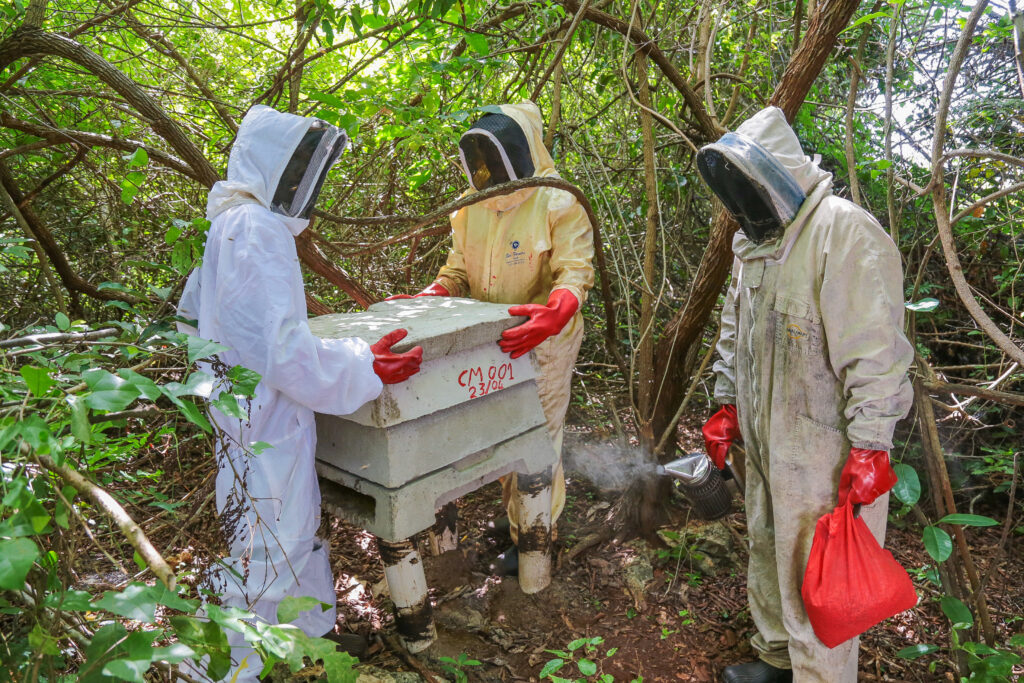
Honey harvesting is both an art and a science. When done correctly, it ensures maximum yield, maintains honey quality, protects your bees, and keeps you safe throughout the process. At Mister Bee, we understand that proper harvesting techniques are essential for sustainable beekeeping and delivering the premium honey our customers expect.
Whether you’re managing your own Mister Bee concrete hives or participating in our co-management service where we harvest together with you, this comprehensive guide will walk you through the essential practices for harvesting honey safely, hygienically, and efficiently. Let’s dive into the best practices that separate amateur honey extraction from professional-grade harvesting.
1. Timing Your Harvest: When to Collect Honey
The right timing can make or break your harvest. Harvesting too early results in honey with high moisture content that’s prone to fermentation, while waiting too long may mean dealing with aggressive bees protecting their winter stores.
Signs Your Honey is Ready
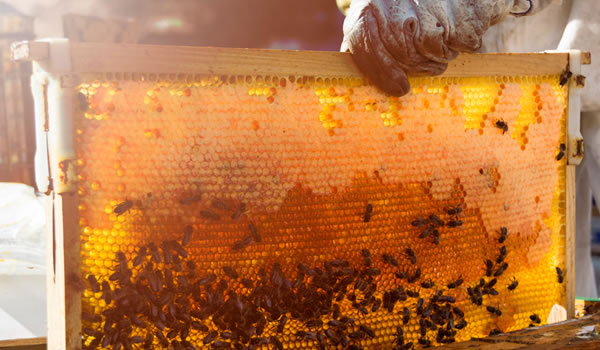
- Capped cells: At least 80% of honeycomb cells should be capped with wax. This indicates the bees have reduced the moisture content to optimal levels (below 18.6%).
- Seasonal indicators: In Kenya, major flows occur during the long rains (March-May) and short rains (October-November). Plan your harvest 2-3 weeks after the main nectar flow ends.
- Weight test: Full honey supers are significantly heavier—often 20-30kg depending on your hive system. Lift from the back to check.
- Moisture content: Use a refractometer to measure moisture levels. Honey below 18% moisture is stable and won’t ferment.
Pro Tip from Mister Bee: Never harvest during a nectar dearth or when bees are preparing for dry season. They need adequate stores to survive. Leave at least 2-3 full frames per hive as emergency reserves. Our co-management service includes expert assessment to determine the optimal harvest timing for your specific location and hive conditions.
2. Safety First: Protective Equipment and Practices
Beekeeping is generally safe, but honey harvesting involves opening hives at their fullest capacity, which can trigger defensive behaviour. Proper protection isn’t optional—it’s essential.
Essential Protective Gear
- Full bee suit with veil: Choose a light-coloured, well-ventilated suit. Dark colours can agitate bees. Ensure the veil has no gaps—African bees are particularly determined.
- Gloves: Leather or thick rubber gloves protect hands while maintaining dexterity. Some experienced keepers prefer bare hands, but this isn’t recommended during harvest when bees are more defensive.
- Boots: Closed-toe boots with pant legs tucked in prevent bees from crawling up your legs.
- Smoker: A properly lit smoker is your best friend. Use dry, natural materials like coconut husks, dry grass, or pine needles.
Best Practices for Safe Harvesting
- Choose calm weather: Harvest on warm, sunny days between 10 AM and 3 PM when foragers are out. Avoid windy, rainy, or cloudy days when more bees are in the hive.
- Use smoke properly: Puff smoke gently at the entrance before opening. Wait 30 seconds, then apply light smoke across the top bars. Smoke masks alarm pheromones and triggers bees to consume honey, making them calmer.
- Move deliberately: Sudden movements alarm bees. Work smoothly and steadily.
- Have an escape plan: Know where you’ll go if bees become aggressive. Keep antihistamine and an EpiPen nearby if you have known allergies.
- Work with a partner: Never harvest alone. A second person can assist with equipment and provide help in emergencies.
Mister Bee Co-Management Advantage: Through our co-management service, experienced Mister Bee technicians work alongside you during harvest. We bring professional-grade protective equipment and years of expertise to ensure safe, efficient honey collection. This hands-on support is especially valuable for new beekeepers or those managing multiple hives.
3. Hygiene Standards: Keeping Your Honey Pure
At Mister Bee, we pride ourselves on delivering uncontaminated, premium honey. Hygiene during harvesting directly impacts the quality, shelf life, and marketability of your honey. Contamination can introduce fermentation, off-flavours, or even foodborne pathogens.
Pre-Harvest Preparation
- Clean all equipment: Wash hive tools, honey supers, buckets, strainers, and extractors with hot water. Rinse thoroughly and allow to air dry. Avoid strong-smelling soaps that can taint honey.
- Sanitize surfaces: Use food-grade sanitizers on all surfaces that will contact honey. A diluted bleach solution (1 tablespoon per gallon of water) works well—just ensure complete rinsing.
- Prepare your extraction area: Set up in a clean, enclosed space free from dust, insects, and strong odours. A dedicated honey house is ideal, but a clean garage or kitchen works for small-scale operations.
During Harvest: Maintaining Cleanliness
- Cover frames immediately: Once removed from the hive, place frames in covered containers to prevent dirt, debris, and robbing bees.
- Minimize exposure: Extract honey as soon as possible after removal. Extended exposure increases contamination risk.
- Keep bees out of extraction area: Bees will follow honey. Close doors and windows, or work early in the morning when bees are less active.
- Personal hygiene: Wash hands before handling frames. Avoid touching your face, hair, or dirty surfaces during extraction.
Food-Safe Storage
- Use food-grade containers: Store honey only in food-grade plastic buckets or glass jars. Never use containers that previously held chemicals, oils, or strong-flavoured foods.
- Strain properly: Use fine mesh strainers or cheesecloth to remove wax particles, bee parts, and debris. Double-straining produces clearer honey.
- Seal containers: Air-tight seals prevent moisture absorption and contamination. Honey is hygroscopic—it absorbs moisture from humid air, which can lead to fermentation.
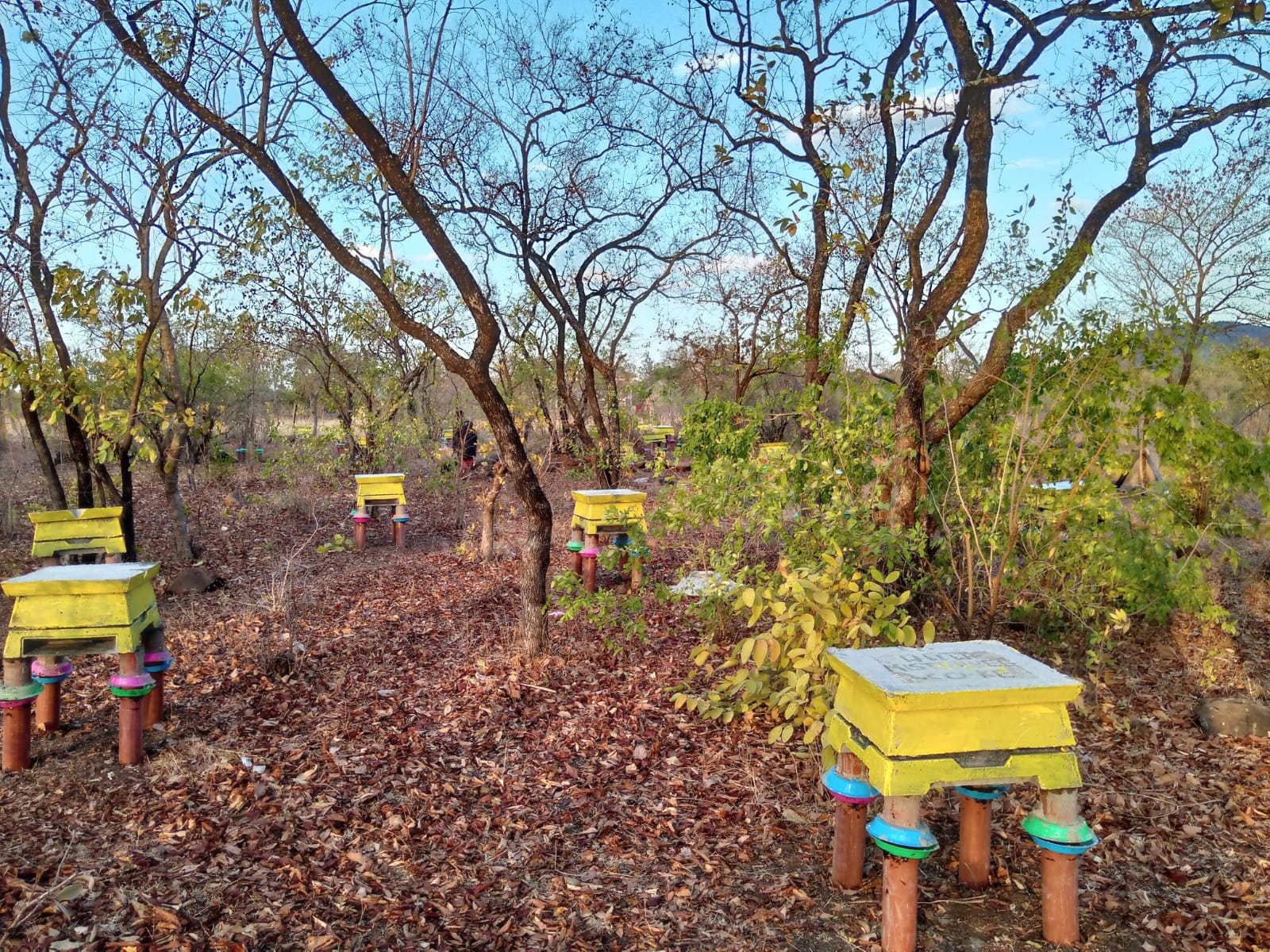
Why Mister Bee Concrete Hives Excel in Hygiene: Our concrete hives are designed with cleanliness in mind. Unlike wooden hives that can harbour moisture, mould, and pests, concrete hives provide a stable, easy-to-clean environment. The smooth interior surfaces don’t absorb odours or contaminants, and they can be thoroughly sanitized between seasons. This translates directly to cleaner, higher-quality honey.
4. Extraction Methods: From Hive to Container
The extraction method you choose depends on your scale and equipment. Professional frame-based systems allow for efficient extraction while preserving the comb for reuse—a key advantage of well-designed hive systems.
Centrifugal Extraction (Recommended for Frame-Based Hives)
Best for: Modern frame-based hive systems like Mister Bee concrete hives. Preserves comb for reuse, maximizing efficiency.
Process:
- Uncap frames: Use an uncapping knife or fork to remove wax cappings. Heated knives work faster, but cold knives preserve enzymes better for raw honey.
- Load extractor: Place uncapped frames in a centrifugal extractor (manual or electric). Most extractors hold 2-4 frames.
- Spin: Start slowly to prevent comb breakage, then increase speed. Spin until honey stops flowing, flip frames, and repeat.
- Collect: Honey flows to the bottom. Open the gate and strain into buckets.
Advantages: Preserves comb, faster processing, suitable for commercial operations, reduces bee stress as they don’t need to rebuild entire comb.
Alternative Methods
For beekeepers using traditional or frameless systems, crush-and-strain methods are available. However, these are more labour-intensive and result in comb destruction, requiring bees to expend significant energy rebuilding. Frame-based systems like those in Mister Bee concrete hives offer superior efficiency and sustainability.
Mister Bee Equipment Support: Our co-management service includes access to professional extraction equipment. We bring the extractor, uncapping tools, and strainers directly to your location, eliminating the need for expensive equipment purchases. You learn proper techniques while we ensure maximum honey recovery and minimal waste.
5. Maximizing Yield: Getting the Most from Your Hives
Yield isn’t just about quantity—it’s about optimizing what your bees produce without compromising their health or your honey quality. Mister Bee concrete hives are engineered to maximize production while maintaining optimal colony conditions.
Pre-Harvest Strategies
- Strong colonies produce more: Maintain healthy, populous colonies. Split aggressive or weak hives before harvest season.
- Add supers timely: Place honey supers before the nectar flow begins. Bees need space to store honey—cramped conditions reduce production. The modular design of Mister Bee hives makes super addition straightforward.
- Ensure adequate forage: Plant bee-friendly flowers and trees. In Kenya, excellent sources include sunflowers, Grevillea, Calliandra, and indigenous species like Croton megalocarpus.
- Feed during dearth: Supplement with sugar syrup during dry seasons to keep colonies strong for the next flow.
During Harvest
- Harvest only capped frames: Uncapped honey contains too much moisture and reduces overall quality and quantity.
- Use bee escapes or fume boards: These tools remove bees from supers without excessive smoking, making extraction cleaner and faster.
- Extract promptly: Old comb darkens and becomes harder to extract. Fresh honey flows easily.
Post-Harvest
- Return wet frames: Place extracted frames back in the hive for bees to clean. They’ll remove residual honey and prepare comb for the next season.
- Store empty comb properly: Freeze comb for 48 hours to kill wax moth eggs, then store in sealed containers.
Concrete Hive Advantage: Mister Bee concrete hives maintain stable internal temperatures and humidity levels, reducing bee stress and energy expenditure on climate control. This means more energy goes into honey production. Additionally, the pest-resistant nature of concrete reduces losses to wax moths and hive beetles, protecting your investment and maximizing harvestable honey.
6. Common Mistakes to Avoid
Even experienced beekeepers can fall into these traps. Here’s what to watch out for:
- Harvesting too frequently: Bees need stores to survive. Excessive harvesting weakens colonies and reduces future productivity. In Kenya’s climate, 2-3 harvests per year is typical for strong hives.
- Ignoring moisture content: High-moisture honey ferments quickly. Always verify moisture levels before bottling.
- Poor smoker technique: Over-smoking makes honey taste smoky and agitates bees. Use just enough to calm the colony.
- Leaving honey exposed: Uncovered honey attracts ants, bees, and wasps. It also absorbs odours and moisture.
- Using damaged equipment: Cracked buckets, worn extractors, or rusty tools compromise hygiene. Replace or repair damaged equipment immediately.
- Not keeping records: Track harvest dates, yields per hive, weather conditions, and any issues. This data helps you optimize future harvests.
Learn from the Experts: Mister Bee’s co-management service provides hands-on training during actual harvests. You’ll learn to recognize these mistakes in real-time and develop the skills to avoid them independently. Our technicians share insights specific to Kenyan conditions and your local environment.
7. Quick Reference: Harvest Checklist
Use this checklist to ensure you’re ready for a successful harvest:
| Category | Items to Check |
| Equipment | Smoker (fuel ready), hive tool, bee brush, uncapping knife, extractor (clean), strainers, food-grade buckets, refractometer |
| Safety Gear | Full bee suit with veil, gloves, boots, antihistamine/EpiPen (if needed) |
| Weather | Warm, sunny, calm (10 AM – 3 PM ideal) |
| Hive Readiness | 80%+ cells capped, moisture below 18%, adequate bee stores remaining |
| Hygiene | Clean extraction area, sanitized equipment, food-grade containers ready, hands washed |
8. Mister Bee Co-Management: Harvest with Expert Support
At Mister Bee, we understand that harvesting can be intimidating, especially for new beekeepers or those managing multiple hives. That’s why we offer a comprehensive co-management service designed to support you through every harvest.
What Our Co-Management Service Includes
- On-site harvest assistance: Our experienced technicians come to your location and work alongside you during the entire harvest process.
- Professional equipment: We bring extractors, uncapping tools, strainers, and quality-testing equipment—no need for expensive purchases.
- Hands-on training: Learn proper techniques in real-time. We teach you to identify ready frames, use smoke effectively, handle bees safely, and extract honey efficiently.
- Quality assurance: We test moisture content, ensure proper hygiene standards, and help you package honey to market-ready quality.
- Hive health assessment: During harvest, we evaluate colony strength, check for diseases, and provide recommendations for optimal management between harvests.
- Market linkages: We can connect you with buyers and help you understand current honey market prices and opportunities.
Who Benefits from Co-Management?
- New beekeepers: Build confidence and skills with expert guidance from day one.
- Busy professionals: Manage hives as a side investment without the steep learning curve.
- Commercial producers: Scale operations efficiently with professional support.
- Anyone seeking to maximize yield: Our expertise helps you get the most from every hive while maintaining bee health.
Partnership Approach: We don’t just harvest for you—we harvest with you. Our goal is to transfer knowledge and build your independence while ensuring every harvest meets professional standards. This collaborative model means you’re never alone in managing your Mister Bee concrete hives.
Conclusion: Excellence in Every Drop
Harvesting honey the right way isn’t just about following steps—it’s about respecting the bees that created it, protecting the people who consume it, and maintaining the standards that define quality honey. At Mister Bee, we believe that every drop of honey tells a story of careful stewardship, from hive to table.
By prioritizing safety, maintaining rigorous hygiene standards, and optimizing your harvesting techniques, you’ll not only maximize your yield but also produce honey that stands out in the market. Our concrete hives are engineered to support these goals, providing a stable, hygienic, and productive environment for your bees.
Whether you’re harvesting independently or leveraging our co-management service, Mister Bee is committed to your success. We provide the tools, knowledge, and support you need to produce premium honey consistently.
Remember: Quality honey starts with healthy bees, proper timing, meticulous hygiene, and skilled extraction. Master these fundamentals, and your harvests will reward you with golden, delicious honey that customers trust and love.
Contact us for more information about our concrete hives, co-management services, and beekeeping resources. Let’s work together to keep Kenya’s bees thriving and our honey flowing!