

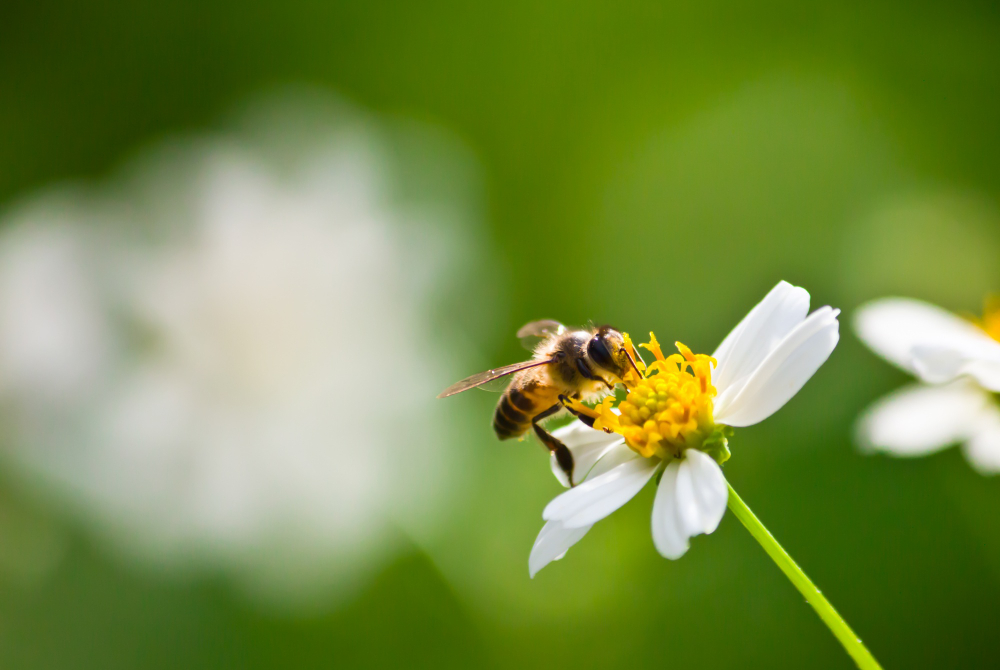
Bees are small, but their work is enormous. From the wildflowers on the savanna to the mango trees in backyard orchards, pollinators — especially bees — stand at the centre of Africa’s food systems, economies and cultures. This article explains why pollinators matter, how they support millions of livelihoods across the continent, the threats they face, and practical steps communities, farmers and policymakers can take to protect them.
Why pollinators matter (and why you should care)
Around one-third of the food we eat depends on animal pollination. Pollinators (bees, butterflies, flies, bats and birds) transfer pollen between flowers and make fruits, seeds and many vegetables possible. The Intergovernmental Science-Policy Platform on Biodiversity and Ecosystem Services (IPBES) makes this clear: animal pollination is a vital regulating ecosystem service that underpins food production and human well-being worldwide.
In Africa this role is especially important because many native and under-reported crops — leafy local vegetables, wild fruits, pulses and seed crops — rely on pollinators for both yield and nutritional quality. Losing pollinators therefore risks not just calories but dietary diversity and food security. Regional assessments for Africa emphasize that pollinator-dependent indigenous crops are often excluded from global estimates, yet they are crucial for local diets and economies.
The economic picture: pollination, honey and livelihoods
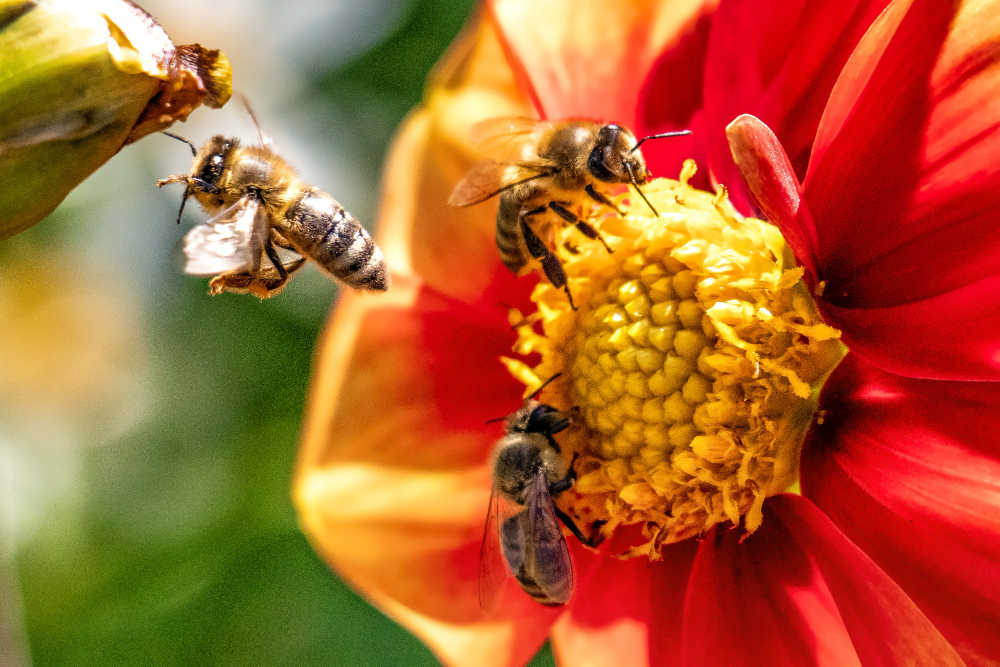
Pollination is not only “ecology” — it is economics. FAO and related analyses have long argued that pollination services have large economic value because they increase crop yields and quality. In addition, apiculture (beekeeping) creates direct income through honey, beeswax and by-products, and provides a pathway for value-chain development in rural areas.
Africa’s honey story is growing. Global honey production reached roughly 1.89 million tonnes in 2023, and Africa recorded the highest growth rate — producing about 223,000 tonnes and now accounting for around 12% of global production. Ethiopia, Kenya, Tanzania, and several North and West African countries are important producers; Ethiopia remains the largest honey producer in Africa. This expansion shows beekeeping’s potential as a rural livelihood and export opportunity.
Who depends on pollinators in Africa?
- Smallholder farmers growing fruits, vegetables, coffee and cocoa — many of these crops experience measurable yield declines when pollinators are reduced.
- Women and youth — in many African communities women play a central role in beekeeping and honey processing, making pollinators important for gendered income pathways. (Value-chain studies from Kenya and Ethiopia show beekeeping’s potential for women’s empowerment when access to training and markets exists.)
Pastoral and agro-pastoral households — wild and crop pollination contributes to forage and seed production that supports complementary livelihoods.
What’s going wrong? Major threats to pollinators in Africa
Scientists point to a familiar set of direct drivers that are shrinking pollinator populations and undermining their services:
- Habitat loss and land-use change. Conversion of wild lands and diverse cropping systems into uniform fields or urban areas reduces floral diversity and nesting sites. IPBES and regional reports highlight land-use change as a leading threat.
- Pesticide use. Insecticides — especially systemic neonicotinoids and poorly managed pesticide applications — can kill or sub lethally impair bees and other pollinators. Recent reviews identify pesticides among the main global drivers.
- Pests and diseases. Varroa, Nosema and other pathogens weaken managed bees; wild pollinators face their own disease pressures.
- Climate change. Warming temperatures and shifts in rainfall alter flowering seasons and can decouple the timing of blooms and pollinator activity. New studies show dramatic declines in insect pollinators under warming and habitat loss scenarios, with serious implications for tropical crops like coffee and cocoa.
- Fragmented policies and lack of local data. Many countries lack integrated pollinator monitoring and targeted policy support, which makes it hard to design effective responses. IPBES and CBD regional analyses call for better monitoring and policy action.
Real impacts: what pollinator loss looks like on the ground
- Lower yields and poorer quality. Crops that depend on animal pollination — from mangoes and melons to coffee and many vegetable seeds — show lower fruit set, smaller fruits, or reduced seed quality when pollinators are scarce.
- Lost income and market opportunities. Reduced honey production or decreased yields translate into direct income losses for producers who rely on these products for cash. Conversely, strengthening apiculture can be a resilient income source — FAO data shows growth in African honey production and potential for value-chain expansion.
- Nutrition and biodiversity erosion. Reduced availability of pollinator-dependent wild foods and vegetables can worsen diets, especially for rural households relying on diverse local crops.
Success stories and opportunities in Africa
There are practical wins already happening:
- Value-chain interventions. Case studies from Ethiopia and Kenya show that linking beekeepers to processing, packaging and markets — plus training on improved hives and quality control — increases incomes and encourages sustainable hive management. ILRI and other development projects document how technical support can move communities from traditional to more market-oriented beekeeping.
- Community habitat approaches. Preserving hedgerows, agroforestry trees and wildflower strips on farms increases local floral resources and nesting sites for pollinators without reducing farm productivity. FAO’s global pollination programme promotes such practices.
What can farmers, communities and policymakers do? (Action checklist)
For farmers and beekeepers
- Adopt pollinator-friendly farming: reduce pesticide use, apply integrated pest management, and protect flowering hedgerows and trees.
- Improve hive management and diversify products: move from informal harvesting to managed hives, add beeswax, propolis and value-added honey products, and pursue collective marketing.
For communities and civil society
- Map local floral resources and protect key habitats (woodlands, riverine vegetation and native flowering plants).
- Support women and youth in beekeeping via training, microfinance and market linkages to ensure equitable benefits.
For governments and policy actors
- Invest in pollinator monitoring and research to fill Africa-specific knowledge gaps.
- Integrate pollinator protection into agricultural, land-use and pesticide regulation policies. IPBES and CBD recommend cross-sectoral approaches that link biodiversity, agriculture and rural development planning.
The role of businesses and buyers
Buyers of African agricultural commodities (coffee, cocoa, fruit exporters) can support pollinator health by sourcing from landscapes that protect pollinator habitat, funding farmer training, and paying premiums for pollinator-friendly production. Private sector engagement helps scale best practices and opens stable markets for higher-quality produce and honey.
A note on uncertainty — and why acting now still makes sense
Researchers are still mapping the full picture of pollinator trends in Africa: species-level data are incomplete and local impacts vary by crop and landscape. But global and regional assessments converge on the same warning: pollinators are at risk from multiple, interacting pressures — and losses will hit food security, nutrition and rural incomes hard. The precautionary response is to protect and restore pollinator habitat, manage pesticides wisely, and invest in resilient livelihoods like improved beekeeping.
Final buzz: why protecting pollinators is an investment, not a cost
Pollinators knit together wild ecosystems, farms and markets. Protecting them supports better harvests, stronger rural incomes, healthier diets and richer biodiversity. For African communities and countries — many facing climate stress and economic pressure — investing in pollinators and apiculture is a practical, scalable pathway to resilience.
If you’re interested in practical next steps (training modules, hive-type comparisons, or a local pollinator audit for your farm or community), I can draft a short, actionable plan tailored to your region or business. Ready to make a little buzz that pays off? 🐝
Selected sources and further reading
- IPBES, Assessment on Pollinators, Pollination and Food Production (summary). IPBES Files
- FAO, Global pollination and honey statistics / World Bee Day 2025 article. FAOHome+1
- CBD / Regional report for Africa on Pollinators. Convention on Biological Diversity
- Cambridge / Pollinators global risk index reporting and commentary. University of Cambridge
- Recent reviews on drivers of pollinator decline (pesticides, habitat, climate). Cabi Digital Library+1